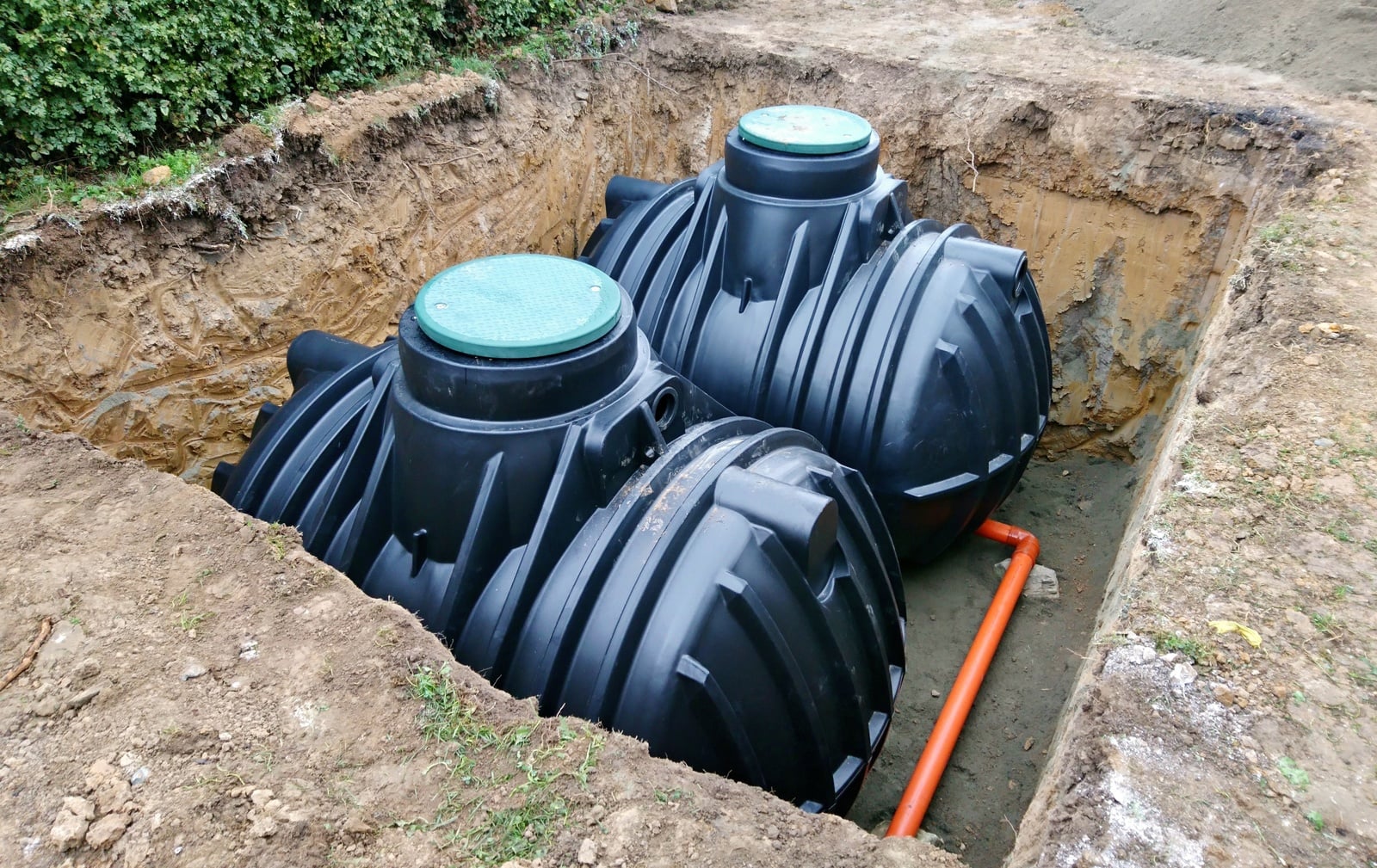

Whether you’ve got a bunded oil tank, water tank, diesel tank or any other type of fuel tank at your home or business, one thing they will all have in common is that they need to be properly maintained.
Proper maintenance will ensure your tank works efficiently and effectively, minimise the chance of leaks and potential environmental damage and help extend the lifespan of your tank. Prevention is always better than cure when it comes to tank maintenance and a well maintained tank could last 10, 15 or even 20 years.
Here are our top tips for tank maintenance…
Location
One of the best things you can do is ensure your tank is located in an appropriate position right from the start. Make sure there are no risks from falling branches, it’s not in direct sunlight (which could lead to corrosion, particularly of a plastic tank) and there’s no risk of vehicles accidentally bumping into it and damaging it. You could also screen your tank with a fence or cover it with a shade cloth to prevent UV damage from the sun.
Regular visual checks
Once a month (or after periods of extreme weather, including snow, ice and high winds), carry out a visual check of your tank, valves, pipes and fittings. Any dents, cracks, discolouration, bulges or rust could be signs of damage which require attention.
For oil tanks, check the ground for any oil stains which may indicate a small leak. Dying vegetation close to the tank could also be an indication of an oil leak.
Checking your tank regularly means you should be able to get problems resolved by a professional before they become too serious.
Follow manufacturer’s guidelines
While all tanks are similar, there are plenty of differences too – between bunded and single skin tanks, plastic and steel tanks, and tanks of different shapes and sizes. Get to know your own tank and follow the manufacturer’s guidelines on maintenance and cleaning. Following these instructions will not only extend the life of your tank, it will also ensure you don’t void the tank’s warranty.
Don’t let your tank get too empty
If you run your oil tank close to empty, water, sediment and sludge can build up at the bottom. This can cause problems in cold weather, as it can freeze and cause blockages, at the exact time you don’t need any blockages in your heating system! Keeping the tank close to full will help prevent this from happening.
Annual service
For a heating oil tank, you should get an annual service with an OFTEC qualified heating engineer. This might even be a requirement of your insurance policy, so it is important not to skip it! Your oil tank should be pumped out and thoroughly cleaned about once every five years.
Always use a professional
If something doesn’t look right with your tank, don’t tackle it yourself! Trying to deal with it yourself could make matters worse and cause a leak or it could invalidate your warranty. For a heating oil tank, you should call an OFTEC registered engineer.
Maintain documentation
Keep track of the life of your tank right from installation. Ensure all service visits and repairs are dated and documented. This will help you spot any patterns or notice deterioration and will stop you from forgetting to book your maintenance visit.
Drain your water tank
You should clean a water tank at least annually. Drain the tank to remove debris and sediment at the bottom, then thoroughly scrub and clean the inside of the tank, taking particular care to remove any algae.
Test your water
Regularly test the water in your water tank for any bacteria or contaminants and compare the test results with water quality standards, taking action if needed.
Whether you have a heating oil tank, a water tank or any other sort of tank, spending time on regular maintenance is essential. By following these tips, you will reduce the risk of leaks and help prolong the lifespan of your tank.