

If you use oil at home, and especially at your workplace, it is essential to store and dispose of waste oil safely and legally.
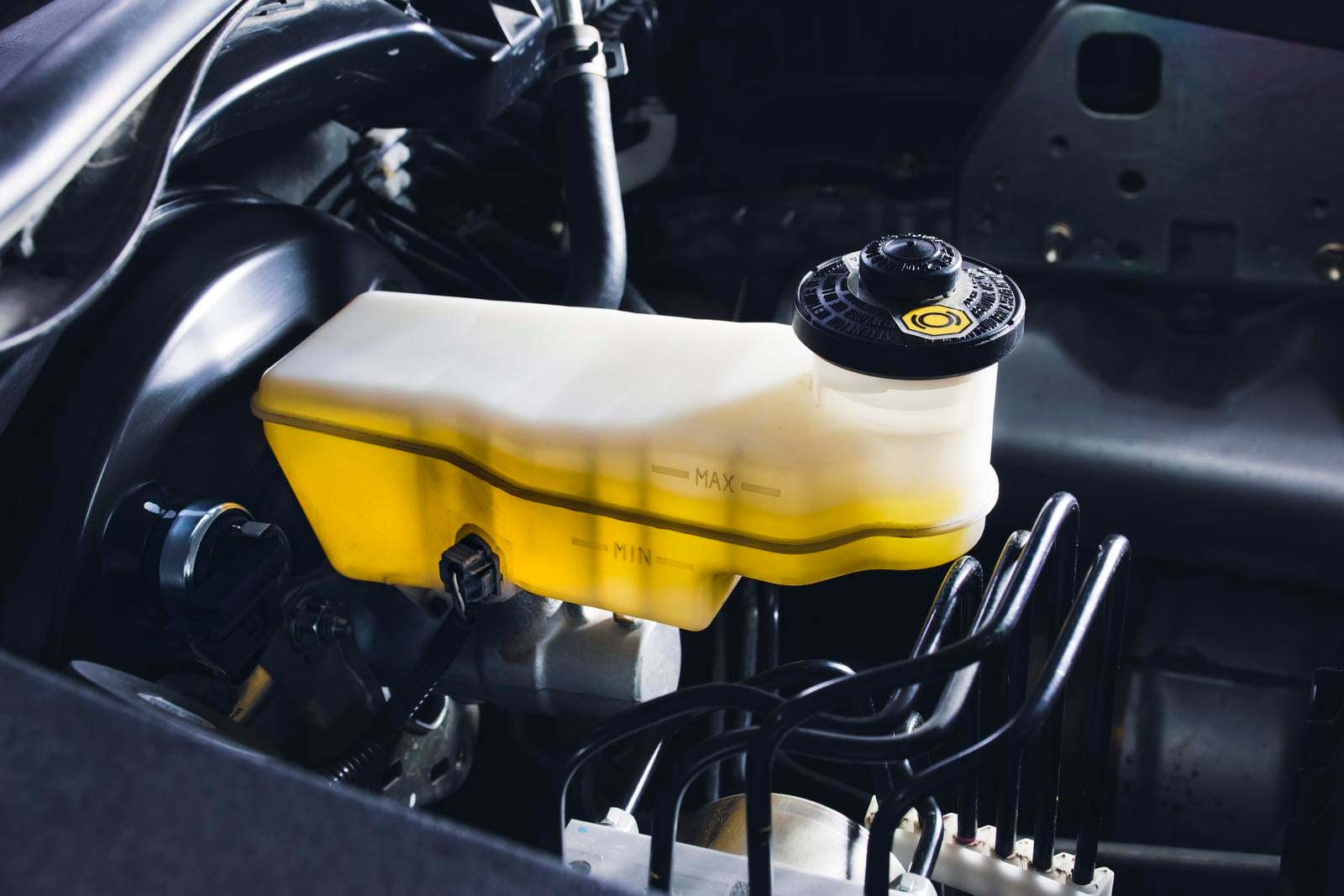
Waste oils, with the exception of edible oil used at home, are classified as hazardous waste, which can harm human health and the environment, and must be disposed of correctly.
Oil accounts for around 16% of pollution incidents in the UK.
Waste oils include a range of vehicle oils from engine fluids to petrol, brake fluids, antifreeze and the oily and sludgy wastes from interceptors. Other waste oils include cooking oil used in commercial kitchens and kerosene (heating oil).
Commercially disposing of waste oil in the UK is regulated by legislation, including the Hazardous Waste Regulations 2005, the Waste Management Licensing Regulations 1994 and the Controlled Waste (England and Wales) Regulations 2012.
If you run a business like a garage or farm, or any other company dealing with machinery and vehicles, you will probably accumulate a lot of waste engine oils very quickly.
For businesses, knowing how to store and dispose of waste oil properly will save time, money and potential legal problems.
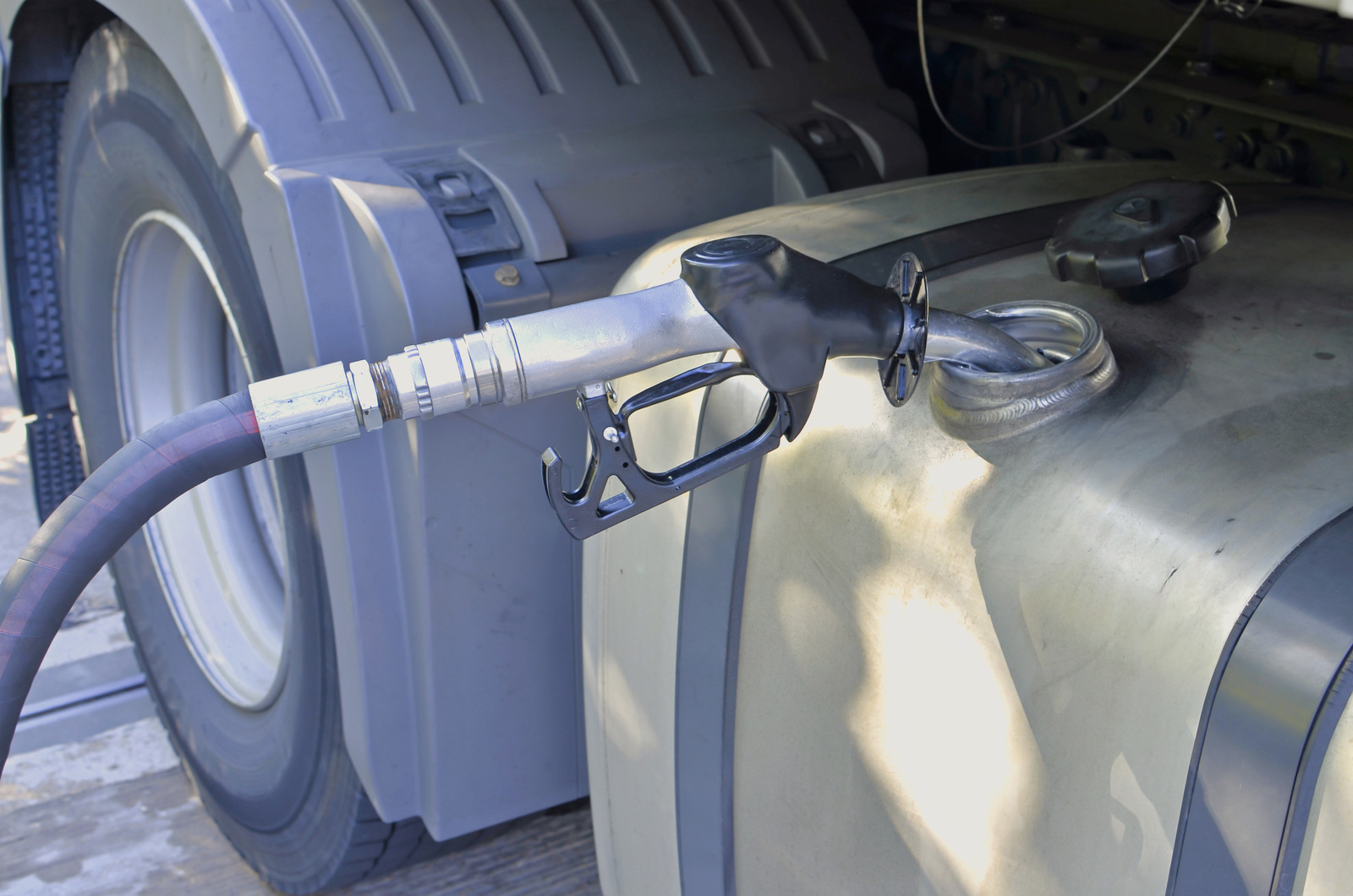
Waste oils must be collected in a leak-proof container and stored securely on site until it is time to dispose of them. Waste oils mustn’t be mixed with other waste, including other types of waste oil.
For businesses storing waste on site, the following regulations will apply:
- The Control of Pollution (Oil Storage) (England) Regulations 2001: If your business stores or uses oil, you must comply with these regulations or risk a fine.
- Waste Duty of Care Regulations 2005: Ensure hazardous waste produced or handled by your business causes no harm or damage to individuals or the environment. Your duty of care is to do whatever you can to reuse, recycle or recover waste.
Engine oil doesn’t go off or wear out. It just picks up dirt, water, chemicals etc over time which make it less effective. This can be cleaned (refined) and recycled to use again.
Oil should be stored in a secure container to avoid contamination from rainwater or anything else. Tanks for Everything stocks a range of bunded waste oil tanks to store waste oil safely and securely. They are available in a variety of shapes and sizes, in both steel and plastic.
Disposal of waste oil should be done in line with the Control of Substances Hazardous to Health (COSHH) Regulations. Waste oils can be disposed of at a licensed waste facility or collected by a licensed collector.
Engine oil doesn’t go off or wear out. It just picks up dirt, water, chemicals etc over time which make it less effective. Waste engine oil can and should be cleaned (refined) and recycled to use again.
This can be done at a licensed recycling centre. There are companies who will handle the process for you and collect the waste oil and ensure it is recycled. Businesses must use a licensed waste carrier to dispose of their waste oil legally.
The recycling centre, hazardous waste facility or licensed carrier should issue you with a proof, confirming that the disposal has been carried out in a safe and legal way. Anyone who disposes of waste oil incorrectly or is unable to prove that it has been disposed of legally will face a penalty.
If you drain oil from your car at home, you should put it back into the original container (or another clean and dry plastic container which hasn’t previously held chemicals) and take it to the local recycling centre.
At home, vegetable oils (cooking oils) should be disposed of in the household waste, but commercial operations, like restaurants and fish and chip shops, must get the oil collected by a registered waste carrier, as it is considered hazardous waste.
Commercial food waste oil can be recycled and converted to biofuel, which can be used to generate electricity or even to power vehicles. It should be stored in an airtight container to ensure it doesn’t get contaminated before it is collected and transported to a licensed recycling facility.

Disposing of food waste oil incorrectly can lead to blocked drains, expensive plumbing bills and even environmental pollution.
Containing and disposing of waste oil is something which must be done safely and properly, following all the relevant laws and regulations. Failure to comply could lead to environmental damage with an expensive clean-up and potentially harm to health. But by storing waste oil in a suitable container, such as a bunded waste oil tank, and ensuring it is collected of and disposed of by a registered waste carrier, it is easy to comply with the law and keep your premises and the surrounding area clean and safe.